


With lockdown restrictions in the COVID-19 pandemic, people optedfor safety over their loyalty to any brand. This has led to a dramatic shift inconsumer buying behavior and McKinsey’s survey suggestspeople are likely to stick with this behavior. The future of businesses willdepend on how they monitor changing customer preferences. Using machinelearning, loyalty programs can track any changes in this buying behavior andhelp engage customers better. Let’s look at how loyalty programs can achievehigher customer engagement.
Convenience and monetary value proposition are the two mostimportant attributes that the majority of the shoppers look for before theyshow their loyalty to a brand or shopping channel. Since loyalty programscollect lots of data including purchases, social behavior, engagement andsurveys, they are best equipped to monitor such changes and derive moreinsights. For example, buy online pick-up in store or curbside and contactlessdelivery has become a new pre-requisite for most buyers. Such options were noteven considered before. Loyalty programs can learn about such expectations byrunning incentivized surveys. Customers get a chance to voice theirexpectations and get bonus points in return. A win-win situation. By trackingwhich platforms, the customers choose to make their purchases, or the type ofproducts they purchase, loyalty programs gain insights in the change in suchbuying behavior. With this, businesses can renew their insights and realignengagement strategies with the help of the loyaltyprogram.
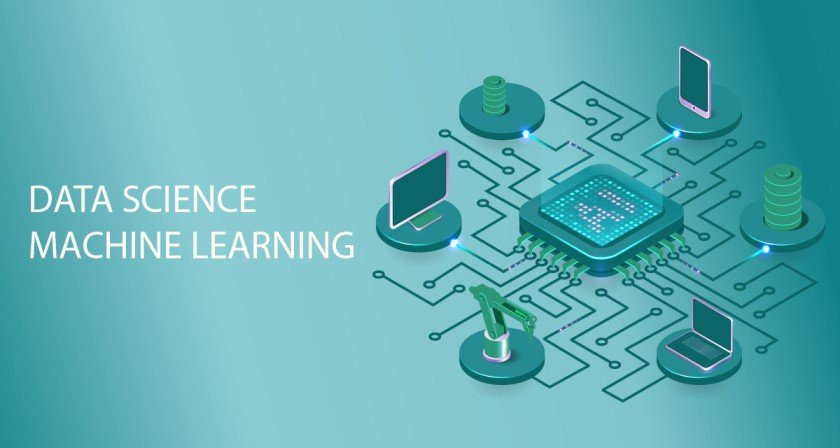
Within the loyalty program, machine learning techniques can finelysegment customers based on type of products purchased, value of purchases,frequency, trends, seasonality, social behavior, survey responses etc. Suchuser segments could be high spending customers, or people who engage with thebrand on social media platforms or people interested in certain serviceoffering. Based on these user segments, the loyalty program can sendcommunication for specific products and offers to such customers. Machinelearning can further segment these customers based on how they interact withsuch communication. This makes it possible to further personalize the customerexperience. Thus, machine learning in loyalty programs can be used to trackcustomer behavior and use this tracking to engage & retain such customersusing personalized campaigns.
A lot of the pre-covid era insights on buying behavior havechanged. This outdated data now offers little value to the business. Brandscannot afford to be in a wait-and-see mode. If businesses cannot adapt tochanging behavior, customers will lose faith and make a switch to competitors.Loyalty programs that use machine learning techniques can help companies gatherdata insights into changing buyer behavior, helping them stay nimble and adaptto any changes in buyer behavior. This approach will help businesses developlong term relationships with customers and drive growth. Thus, loyalty programsthat use machine learning to generate data insights and to segment customerswill be a key to adapt to the new normal.
This article was originally published on zinrelo.com