


April is Stress Awareness Month: Time to Prioritise Your Mental Health
Understanding the Impact of Stress
Stress has become an unavoidable part of modern life, and it affects everyone differently. While some people experience stress from work, others feel overwhelmed by social pressures, family responsibilities, or financial concerns. However it manifests, stress can take a significant toll on both mental and physical health.
In fact, stress can lead to conditions such as anxiety, depression, heart disease, high blood pressure, and sleep disturbances. These consequences highlight the importance of recognising stress early and taking proactive steps to manage it.
Why Stress Awareness Month Matters
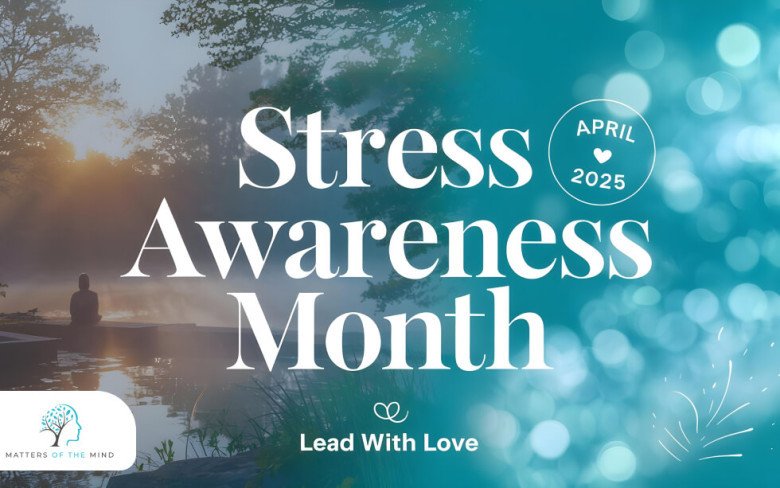
Stress Awareness Month has been observed every April since 1992. Its goal is to raise awareness about stress and encourage open conversations around mental health. This month serves as a reminder that stress isn’t just a feeling—it’s a serious issue that needs attention and proper management.
By educating ourselves on how stress affects us and learning effective ways to manage it, we can improve our mental health and quality of life. Awareness is the first step in creating a healthier mindset and building resilience against life’s challenges.
Common Stress Triggers and Their Effects
Stress triggers can vary widely depending on personal circumstances, but common causes include work-related pressure, family demands, and social comparisons. Research has shown that 46% of workers feel stressed due to work, and 49% of youth experience stress from social media comparisons. Women also often struggle with stress related to body image and appearance, with 36% of women affected.
These stressors can contribute to anxiety, overwhelm, and a decline in emotional well-being. Stress can affect relationships, productivity, and overall happiness, which is why it’s essential to address it early.
Healthy Ways to Manage Stress
Managing stress effectively involves a combination of practical strategies and self-care. Here are some techniques that can help reduce stress and improve mental well-being:
-
Mindfulness and Meditation: Taking time to focus on the present moment can calm the mind and reduce feelings of stress.
-
Time Management: Organising tasks and setting priorities can help reduce stress caused by overwhelming responsibilities.
-
Physical Activity: Exercise is proven to help manage stress by releasing endorphins and improving mood.
-
Seeking Professional Support: Sometimes, professional guidance from psychologists or mental health experts can provide personalised strategies for coping with stress.
The Importance of Mental Health in Stress Management
Mental health and stress are deeply connected. When stress is left unaddressed, it can lead to long-term mental health issues such as anxiety and depression. It’s essential to treat mental health with the same care and attention we give to physical health.
This Stress Awareness Month, take the opportunity to prioritise your mental well-being. By recognising the impact stress has on your life, you can take proactive steps toward a healthier, more balanced future.
Read more about Stress Awareness Month and how to manage stress effectively in our latest blog.