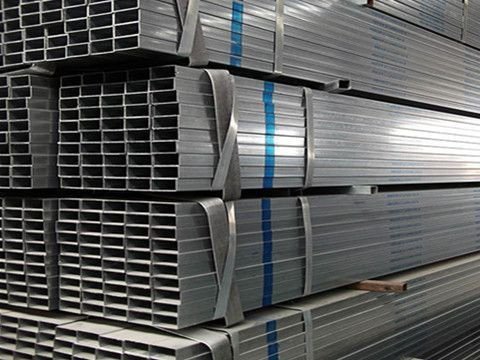


Galvanized steel pipes are a type of piping that is made from a combination of steel and zinc. They are used in different applications, similar to water, gas, and oil pipelines. Stirred steel lines can be effortlessly distinguished by their radiant yellow or orange tone.
What is galvanized steel pipe?
Galvanized steel pipe is a type of steel pipe that has been coated with a layer of galvanized metal. This protects the pipe from corrosion and makes it more resistant to wear and tear.
Types of galvanized steel pipe
Galvanized steel pipes are made from a variety of metals, but in general, they are made from a combination of iron and zinc. The different types of galvanized steel pipe are:
- Galvanized steel pipe is usually coated with a layer of zinc to protect it from rust and corrosion.
- Carbon steel galvanized pipe is made from a type of cold-rolled steel that has been treated with carbon. This treatment makes the steel stronger and helps to resist corrosion.
- Hot-dip galvanized steel pipe is made by dipping the pipe in a hot vat of zinc dust. This process forms a protective coating on the metal that resists corrosion.
Advantages of galvanized steel pipe
Galvanized steel pipe has several advantages over other types of steel pipe:
1. galvanized steel pipe is resistant to corrosion, which makes it a good choice for water pipes, gas lines, and other infrastructure that is in contact with water or gas;
2. galvanized steel pipe is also stronger than other types of steel pipe, which makes it a good choice for use in construction and other applications where strength is important;
3. galvanized steel pipe can be easily painted or coated to match the surrounding environment or architectural design;
4. galvanized steel pipe is cheaper than other types of steel pipe.
Disadvantages of galvanized steel pipe
Galvanized steel pipe is a popular material for water and wastewater pipelines. However, there are several disadvantages to using galvanized steel pipes.
The most significant disadvantage of galvanized steel pipe is that it is not corrosion-proof. Galvanized steel will corrode in water if the pH level is above 7.0 or if the concentration of salt in the water is high. In addition, galvanized steel can also corrode if it comes into contact with acid rain or other corrosive substances.
Another disadvantage of galvanized steel pipe is its susceptibility to rusting and flaking. This can occur when the pipe is exposed to moisture and air, or when it comes into contact with other metals that contain iron-based elements. Galvanized steel can also become brittle over time, which can lead to leaks or accidents.
Galvanized steel pipe installation process
Galvanized steel pipe installation process is usually divided into two types: cold-rolled and hot-rolled.
Cold-rolled steel pipes are produced by rolling the steel sheet into a cylinder, then cutting it into sections. The sections are then heated until they expand and form a tube. This type of pipe is less expensive to produce than hot-rolled, but it has a lower strength and can't stand up to the same amount of stress.
Hot-rolled steel pipes are made by rolling the steel sheet into a cylinder and then forging it into sections. This process increases the pipe's strength and makes it resistant to corrosion.
Conclusion
Galvanized steel pipes are a type of pipe made from several layers of metal that have been coated with a galvanizing agent. The coating gives the pipe resistance to corrosion and makes it suitable for use in environments where water is likely to splash or fall on it. Galvanized steel pipes are most commonly used in the construction industry, but they can also be found in other places where protection from corrosion is important, such as pipelines and storage tanks.